

March 04 2025
A Virtual Private Network (VPN) is a powerful tool that helps protect your online privacy and maintain your data security. But what exactly is a VPN, and why should you use one? This article will provide a comprehensive understanding of VPNs, how they work, and why they are essential in today's digital age.
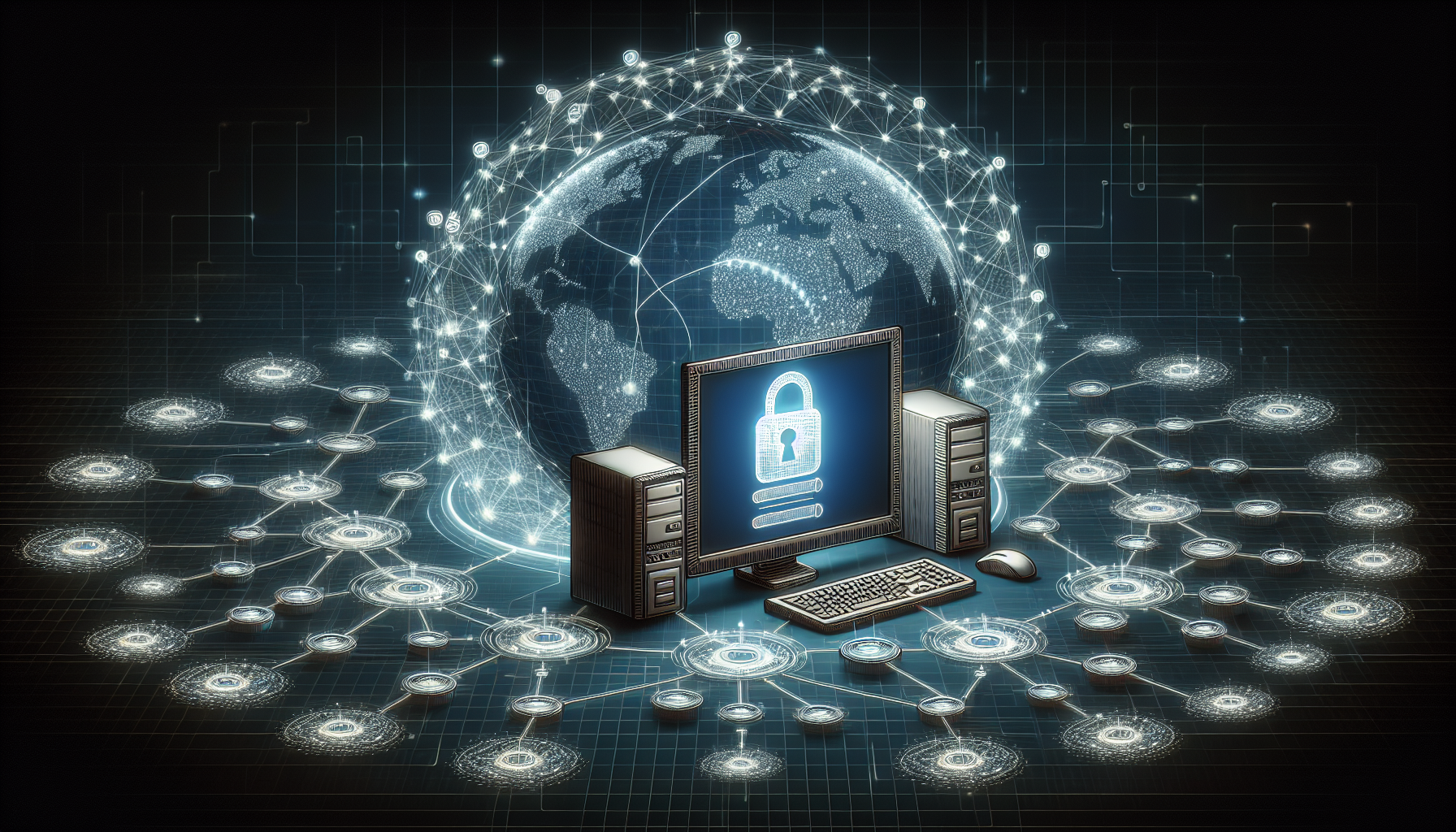
A VPN is a service that allows you to connect to the internet via an encrypted tunnel to ensure your online privacy and protect your sensitive data. VPNs are commonly used to secure connections to public Wi-Fi hotspots, hide IP addresses, and make your browsing private.
So, how does a VPN work? When you connect to a VPN service, it encrypts your data, even before your Internet Service Provider or the coffee shop WiFi provider sees it. The data then goes to the VPN, and from the VPN server to your online destination — anything from your bank website to a video sharing website to a search engine. This way, your online destination sees your data as coming from the VPN server and its location, and not from your computer and your location.
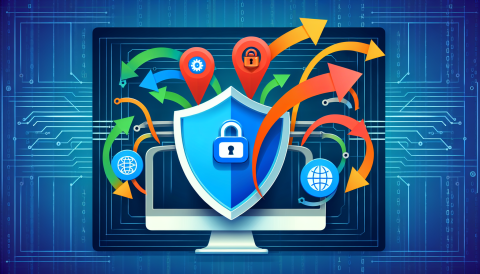
When you’re on the internet without a VPN, your connections are open to potential attacks. Your ISP, government agencies, hackers, and other third parties can see your internet traffic. They can log, monitor, and analyze your data, and even sell it to other parties. With a VPN, your online activities are anonymized and protected because the VPN works as a virtual shield.
Now, why do you need a VPN? The primary reason is online privacy and security. In an era where data breaches and cyberattacks are rampant, using a VPN is a practical way to keep your data secure and private. Whether you're working remotely or just want to keep your online activities private, a VPN is a must-have tool.
Moreover, a VPN can help you access content that's restricted by geographic location. For instance, if you want to watch a show that's only available in another country, you can use a VPN to appear as though you're browsing from that country. This is possible because VPNs can mask your IP address and swap it with one from your chosen country.
There are many VPN services available, such as , , and . These services offer various features, including multiple server locations, strong encryption techniques, and zero-logs policy. It's essential to choose a VPN service that suits your specific needs and ensures your online privacy and security.
In conclusion, a VPN is a crucial tool that not only protects your online privacy but also secures your data from potential threats. By understanding how a VPN works and why you need one, you can make informed decisions about your online security and privacy.