

March 04 2025
With the rise of digital technology, the internet has become a fundamental part of our daily lives. However, this convenience comes with a price - the risk of data breaches and identity theft. Cybercriminals are always on the lookout for opportunities to steal personal information, leading to a growing need for effective security measures. One such measure is the use of Virtual Private Networks (VPNs). This article will explore how VPNs can help prevent data breaches and protect against identity theft.
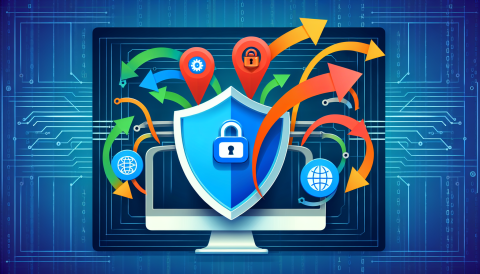
A VPN is a service that creates a secure, encrypted connection between your device and the internet. It does this by routing your internet connection through a server located elsewhere, effectively masking your online activities and making it much harder for anyone to track or intercept your data. This includes hackers, government agencies, and even your internet service provider.
VPNs like , , and offer robust security features that can significantly reduce the risk of data breaches. These features include end-to-end encryption, which ensures that your data remains unreadable even if it's intercepted. They also offer IP address masking, which hides your actual location and makes it appear as though you're browsing from somewhere else. This can make it much harder for cybercriminals to target you specifically.
Another key feature of VPNs is their ability to protect you when using public Wi-Fi networks. These networks are often unsecured, making them a prime target for hackers. By using a VPN, you can ensure that your data is encrypted and secure, even on public Wi-Fi.
VPNs can also help protect against identity theft. By masking your IP address and encrypting your data, they make it much harder for cybercriminals to steal your personal information. This includes sensitive information like your credit card details, social security number, and other personal identifiers that could be used to steal your identity.
However, it's important to note that while VPNs can significantly reduce the risk of data breaches and identity theft, they're not a silver bullet. It's still crucial to practice good online hygiene, such as using strong, unique passwords, being wary of phishing attempts, and keeping your devices updated with the latest security patches.
In conclusion, VPNs are a powerful tool in the fight against data breaches and identity theft. They offer robust security features that can protect your data, mask your online activities, and make it much harder for cybercriminals to target you. While they're not a complete solution, they're a crucial part of any comprehensive online security strategy.