

March 04 2025
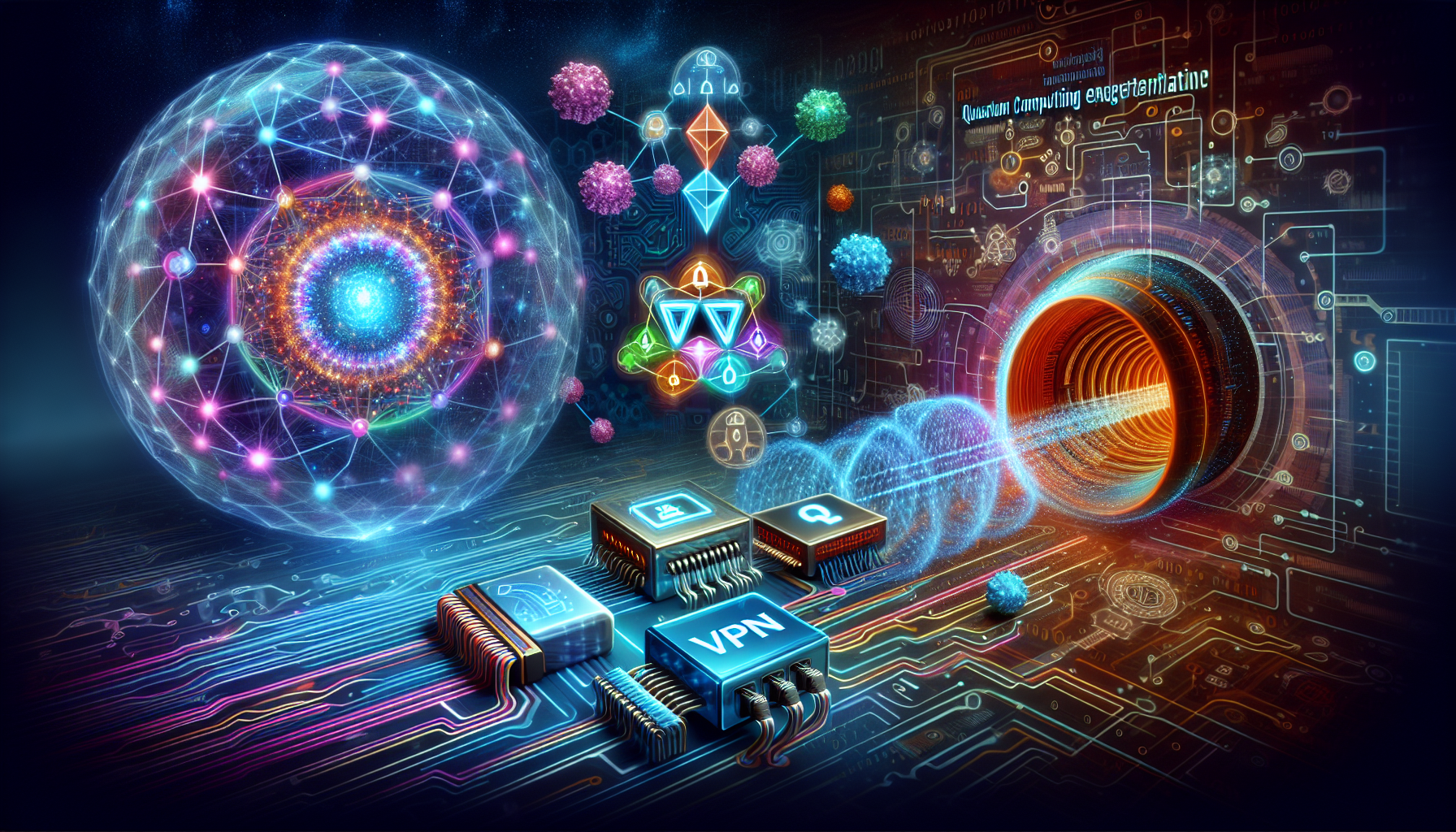
As we continue to advance in the digital age, the intersection of quantum computing and Virtual Private Networks (VPNs) is becoming increasingly significant. This article explores the potential impact of quantum computing on VPNs and what the future may hold for this technology.
Quantum computing is a revolutionary technology that leverages the principles of quantum mechanics to process information. Unlike classical computers that use bits (0s and 1s) to process information, quantum computers use quantum bits, or qubits, which can exist in multiple states at once. This allows quantum computers to process vast amounts of data at unprecedented speeds.
VPNs, on the other hand, are tools that provide a secure, encrypted connection over a less secure network, such as the internet. They are widely used to protect sensitive data and maintain privacy online. VPNs like , , and are popular choices for individuals and businesses alike.
So, how does quantum computing intersect with VPNs? The answer lies in encryption. VPNs use complex encryption algorithms to secure data. However, the advent of quantum computing could potentially disrupt this security model. Quantum computers, with their immense processing power, could theoretically break the encryption codes used by VPNs, rendering them ineffective.
However, it's not all doom and gloom. The same principles that could allow quantum computers to break VPN encryption could also be used to create quantum-resistant algorithms. These algorithms would be designed to withstand attacks from quantum computers, ensuring the continued effectiveness of VPNs.
Several companies are already working on developing quantum-resistant algorithms. For instance, and are investing in research and development to ensure their VPN services remain secure in the quantum age.
Furthermore, the development of quantum networks could provide an even higher level of security. Quantum networks use quantum entanglement to transmit data, a process that is inherently secure from eavesdropping. If successfully developed and implemented, quantum networks could replace traditional VPNs, providing a new level of security for online communications.
In conclusion, while the advent of quantum computing presents challenges for VPNs, it also opens up new opportunities for advancements in online security. As we move further into the quantum age, we can expect to see a continued focus on developing quantum-resistant algorithms and quantum networks. The intersection of quantum computing and VPNs is an exciting area of technology that holds great promise for the future.