


March 04 2025
As the digital world continues to evolve, privacy has become a significant concern for internet users worldwide. Virtual Private Networks (VPNs) have emerged as a popular solution to protect online privacy. However, the global legislation surrounding privacy laws and VPNs is complex and varies from one country to another. This article aims to provide an overview of privacy laws and how they relate to VPNs, helping users navigate the global legislation.
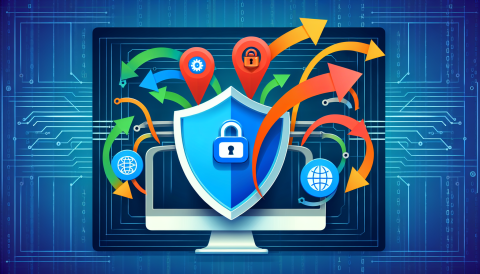
VPNs, such as , , and , provide a secure connection between a user's device and the internet. They encrypt data, mask the user's IP address, and prevent third parties from tracking online activities. While VPNs are legal in most countries, some nations have strict regulations or even bans on their use.
In the United States, for example, the use of VPNs is completely legal. However, the country has controversial data retention laws that allow government agencies to access personal data without a warrant. This has led many users to turn to VPNs for an extra layer of privacy protection.
On the other hand, countries like China and Russia have stringent laws against VPNs. In China, only government-approved VPNs are allowed, while Russia requires VPN service providers to register with the government and prohibits the use of VPNs for illegal activities.
Europe, with its General Data Protection Regulation (GDPR), has some of the strongest privacy laws in the world. The GDPR gives individuals control over their personal data and imposes strict rules on data collection and processing. VPNs are legal and widely used in Europe, but they must comply with GDPR regulations.
It's important to note that while VPNs can enhance privacy, they are not a foolproof solution. Some VPN providers, particularly free ones, may log user data and sell it to third parties. Therefore, it's crucial to choose a reputable VPN provider, like or , that has a strict no-logs policy.
In conclusion, privacy laws and VPNs are intertwined in a complex web of global legislation. While VPNs can provide a significant level of privacy protection, their use is subject to varying laws around the world. Users should be aware of the legal implications of using a VPN in their country and choose a VPN provider that respects their privacy rights.