

March 04 2025
Virtual Private Networks (VPNs) have become increasingly popular as more people seek to protect their online privacy and secure their internet connections. VPNs essentially create a secure, encrypted tunnel between your device and the websites or applications you use online, thereby preventing third parties from seeing your online activity. However, when it comes to choosing a VPN, one of the main decisions you'll need to make is whether to go for a free or paid service. In this article, we'll explore the differences between free and paid VPNs, and which one might be better for you.
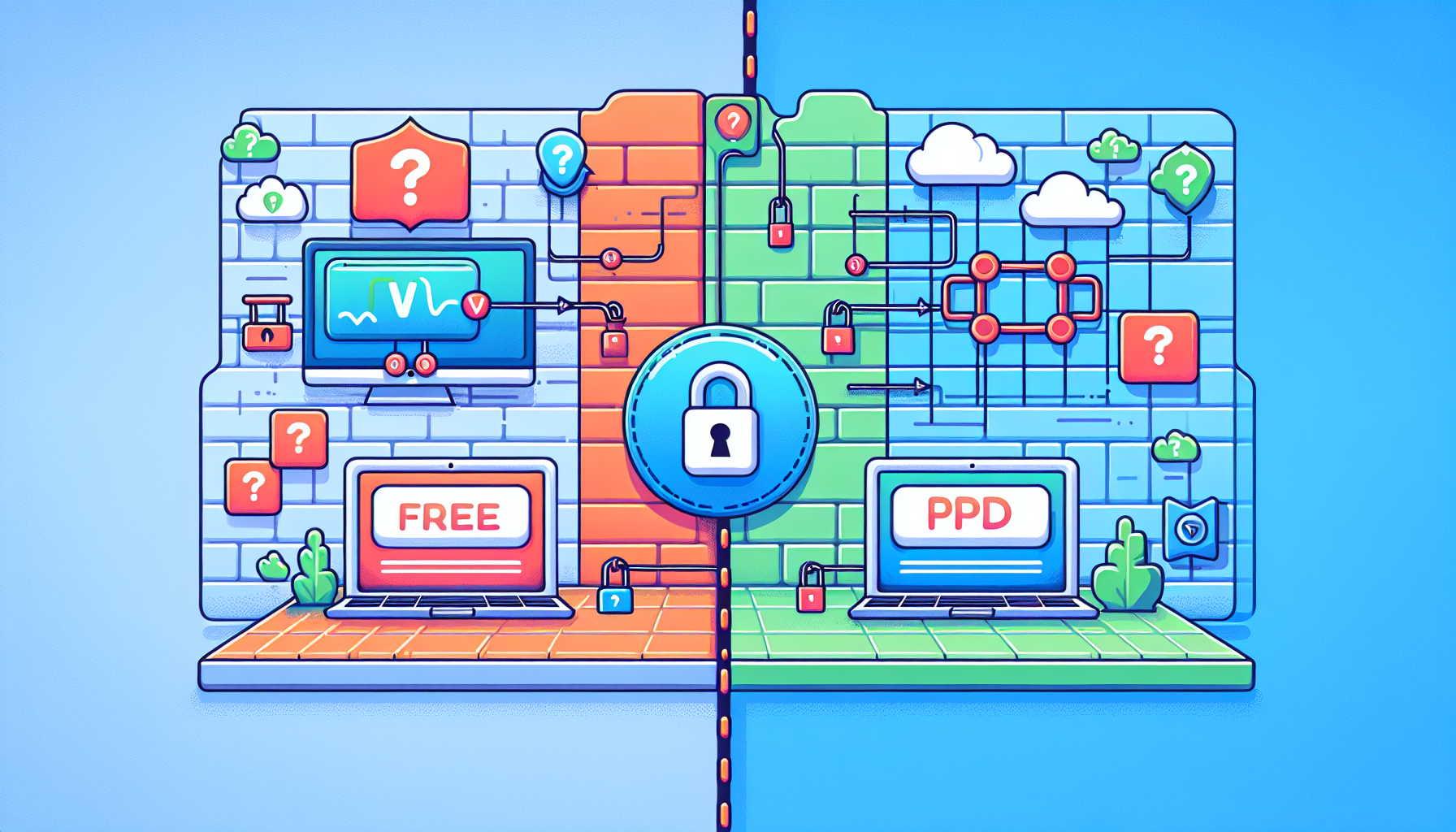
Free VPNs, as the name suggests, are services that you can use without having to pay a subscription fee. They are often supported by ads, which means that while you're using the VPN, you may see advertisements pop up on your screen. Some free VPNs also limit the amount of data you can use per month, the speed of your connection, or the number of servers you can connect to. Examples of free VPNs include and .
Paid VPNs, on the other hand, require a monthly or annual subscription fee. In return for this fee, they typically offer a more robust service, with a larger number of servers to choose from, faster speeds, and no data limits. They also often include additional features, such as the ability to connect multiple devices simultaneously, 24/7 customer support, and advanced security features. Examples of paid VPNs include and .
So, which is better: free or paid VPNs? The answer largely depends on your specific needs and circumstances. If you only need a VPN for occasional use, and you're not concerned about having the fastest speeds or the ability to connect to servers in specific countries, then a free VPN might be sufficient for your needs. However, if you're a heavy internet user, or you need a VPN for activities like streaming or torrenting, then a paid VPN is likely to be a better choice. Paid VPNs are also generally more reliable and secure than their free counterparts.
It's also worth noting that while free VPNs may seem like a good deal, they can come with their own costs. For example, some free VPNs have been found to track and sell user data, which can be a major privacy concern. Additionally, the presence of ads can be annoying and can even slow down your internet connection.
In conclusion, while free VPNs can be a good option for casual or infrequent internet users, for those who require more robust, reliable, and secure internet protection, a paid VPN is generally the better choice. As always, it's important to do your research and choose a VPN that fits your specific needs and budget.