

March 04 2025
Virtual Private Networks (VPNs) have become an essential tool for many internet users worldwide. They provide a secure connection to the internet, protecting users' data from potential threats. However, like many digital technologies, VPNs also have an environmental impact. This article will explore the environmental impact of VPNs and what users can do to mitigate these effects.
Firstly, it's important to understand how VPNs work. When you connect to a VPN, your data is encrypted and sent through a secure tunnel to a server operated by the VPN company. This server can be located anywhere in the world. The data is then decrypted and sent to its final destination. This process requires energy, both for the operation of the servers and for the transmission of data.
The environmental impact of VPNs is primarily related to the energy consumption of these servers. Data centers, where these servers are typically located, are known to consume a significant amount of energy. According to a report by the Natural Resources Defense Council, data centers in the U.S. alone consumed about 91 billion kilowatt-hours of electricity in 2013, a number that's expected to increase by 53% by 2020.
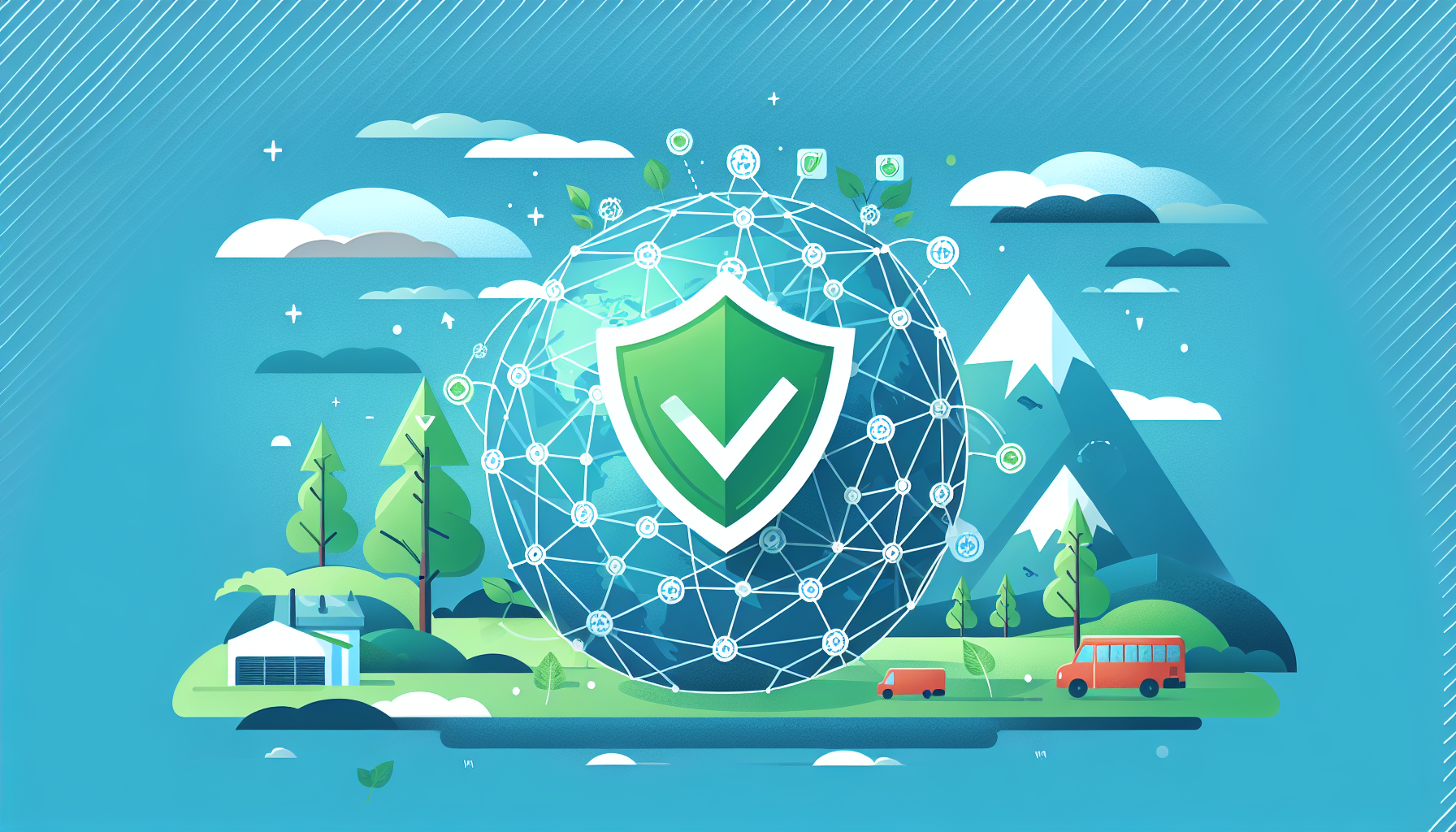
So, what can VPN users do to reduce this environmental impact? One of the most effective ways is to choose a VPN provider that is committed to reducing its carbon footprint. Some VPN providers, such as and , have already taken steps in this direction. They use renewable energy sources to power their servers and implement energy-efficient technologies in their data centers.
Another way to reduce the environmental impact of VPNs is to use them only when necessary. While VPNs provide important security benefits, they are not always required. For example, if you are browsing the internet at home and not accessing sensitive information, you may not need to use a VPN. By using VPNs only when necessary, you can reduce the amount of data that needs to be processed and therefore the energy consumption of the servers.
Finally, users can also contribute to reducing the environmental impact of VPNs by supporting initiatives that aim to make the internet more energy-efficient. This can include supporting policies that promote the use of renewable energy in data centers or advocating for the development of more energy-efficient technologies.
In conclusion, while VPNs do have an environmental impact, there are steps that users can take to mitigate these effects. By choosing environmentally-friendly VPN providers, using VPNs only when necessary, and supporting initiatives to make the internet more energy-efficient, users can enjoy the benefits of VPNs while also contributing to a more sustainable future.