

March 04 2025
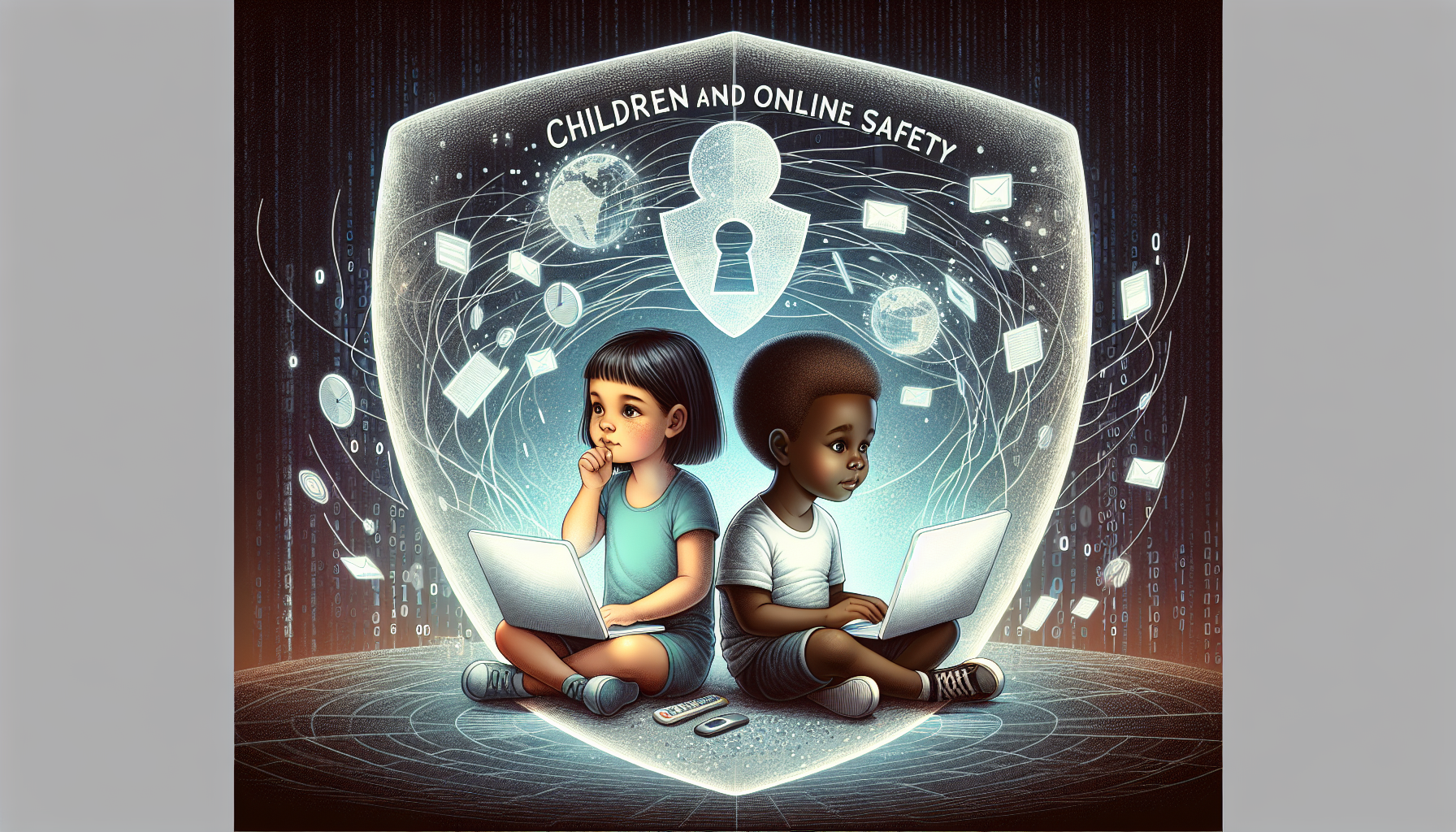
In the digital age, children are exposed to the internet at an increasingly young age. While the internet can be a fantastic educational tool, it also poses significant risks to children's safety. Cyberbullying, inappropriate content, and online predators are just a few of the dangers that children can encounter online. As parents, it's our responsibility to protect our children from these threats. One of the ways we can do this is by using a Virtual Private Network (VPN).
A VPN is a service that encrypts your internet connection, making it secure and private. This means that all the data you send and receive is hidden from prying eyes, including hackers, advertisers, and even your internet service provider. But how exactly can a VPN help protect children online?
Firstly, a VPN can help to block inappropriate content. Many VPNs, such as and , offer built-in content filtering features. This means that you can set up the VPN to block websites and apps that are not suitable for children. This can include adult content, violent content, or websites that promote harmful behavior.
Secondly, a VPN can help to protect children from online predators. By encrypting your child's internet connection, a VPN makes it much harder for anyone to track their online activities or find out their location. This can be particularly useful if your child uses social media or online gaming platforms, where they may be at risk of being targeted by predators.
Thirdly, a VPN can help to prevent cyberbullying. Cyberbullying often involves the bully tracking their victim's online activities and using this information to harass or intimidate them. By using a VPN, you can help to keep your child's online activities private and protect them from potential bullies.
Finally, a VPN can help to protect your child's personal information. Children may not understand the importance of online privacy and may inadvertently share sensitive information such as their name, address, or school. A VPN can help to prevent this information from falling into the wrong hands by encrypting all data sent and received over the internet.
There are many VPN services available, each with their own features and benefits. Some, like , are specifically designed with families in mind and offer features such as multiple simultaneous connections and parental controls. Others, like , offer advanced security features such as double VPN and onion over VPN.
In conclusion, a VPN is a powerful tool that can help to protect children online. By blocking inappropriate content, protecting against online predators and cyberbullying, and safeguarding personal information, a VPN can provide peace of mind for parents and a safer internet experience for children.